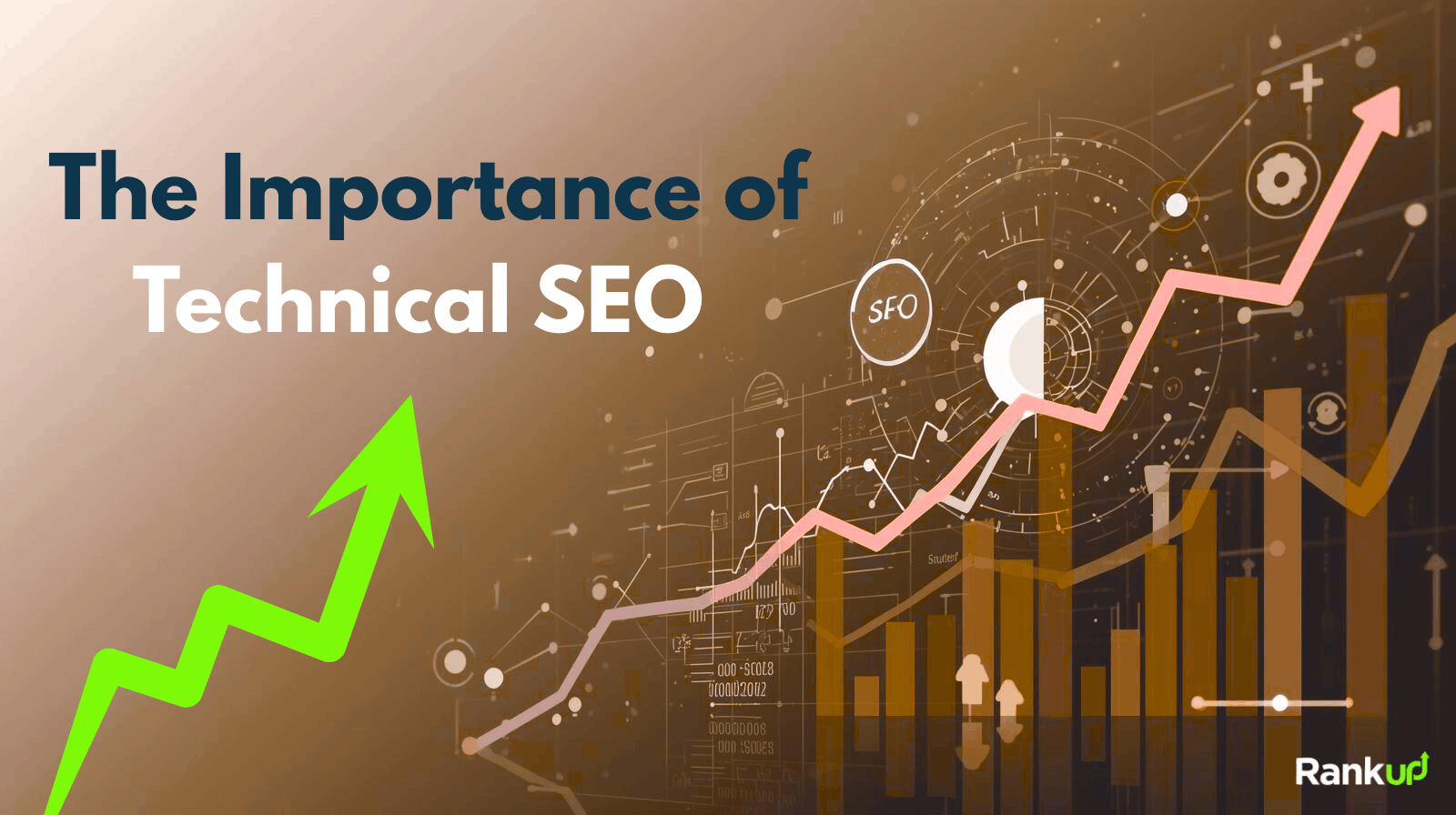
In the competitive world of online marketing, achieving high search engine rankings is essential for increasing website visibility and attracting organic traffic. While content quality and backlinks often take the spotlight, technical SEO is equally crucial in determining how well a website performs on search engines like Google. Technical SEO ensures that search engines can crawl, index, and interpret website content efficiently. It directly influences site speed, mobile optimization, URL structure, and various other technical elements that search engines consider when ranking a website.
This article delves into the significance of technical SEO and how it can enhance search rankings, offering actionable insights into the key technical elements that website owners and SEO professionals must focus on for success.
What is Technical SEO?
Technical SEO refers to the practices and processes aimed at improving the technical aspects of a website to enhance its search engine ranking. Unlike on-page SEO, which revolves around content creation and keyword optimization, technical SEO focuses on the backend elements that impact how well a website can be crawled and indexed by search engines. Without proper technical optimization, even the most well-written content and highest-quality backlinks may fail to achieve the desired ranking.
Key elements of technical SEO include:
- Website Speed Optimization
- Mobile-Friendliness
- URL Structure
- XML Sitemap and Robots.txt
- Structured Data and Schema Markup
- Fixing Broken Links and 404 Errors
- Canonical Tags
Each of these components plays a crucial role in ensuring that search engines can access, understand, and rank the content on a website.
Key Elements of Technical SEO
1. Website Speed Optimization
Site speed is one of the most important ranking factors for search engines. Websites that load quickly provide a better user experience and are more likely to rank higher in search results. Google has repeatedly stated that page speed is a ranking factor, particularly with the introduction of the Core Web Vitals update. Websites that take longer than three seconds to load tend to have higher bounce rates, resulting in fewer conversions and decreased rankings.
To optimize website speed:
- Image Compression: Large images can slow down a website. Compressing images without losing quality reduces their size, allowing pages to load faster.
- Code Minification: Minifying CSS, JavaScript, and HTML files reduces their size, leading to quicker loading times.
- Caching: Browser caching enables browsers to store certain elements of a webpage so that returning visitors experience faster load times.
- Content Delivery Networks (CDNs): CDNs store copies of a website’s content across various servers around the world, making it quicker for users to access the site from any location.
2. Mobile Optimization
With mobile-first indexing, Google primarily uses the mobile version of a website for indexing and ranking. Websites that are not optimized for mobile devices may struggle to achieve high rankings, even if their desktop version performs well. Mobile optimization ensures that a website is easy to navigate on smartphones and tablets, with a responsive design that adapts to various screen sizes.
To ensure mobile optimization:
- Responsive Design: A responsive design automatically adjusts the layout of the website based on the screen size of the device.
- Mobile-Friendly Navigation: Ensure that menus, buttons, and other navigational elements are easy to use on mobile devices.
- AMP (Accelerated Mobile Pages): Implement AMP to make mobile pages load faster.
3. XML Sitemap and Robots.txt
An XML sitemap is a file that lists all of a website’s pages, making it easier for search engines to crawl and index the content. Submitting an updated sitemap to Google Search Console ensures that search engines are aware of all the pages on the website. A sitemap also helps search engines discover new content faster, improving indexing efficiency.
Robots.txt is a file that tells search engines which pages they are allowed to crawl and index. It is important to configure this file correctly to prevent search engines from indexing duplicate content, irrelevant pages, or confidential data.
To optimize sitemaps and robots.txt:
- Submit XML Sitemap: Regularly update and submit the XML sitemap to Google Search Console and other search engines.
- Configure Robots.txt: Use robots.txt to prevent search engines from crawling non-essential pages like login pages, admin pages, and duplicate content.
4. Structured Data and Schema Markup
Structured data, also known as schema markup, is a code added to a webpage to help search engines understand its content more effectively. Structured data enables search engines to provide more detailed search results, such as rich snippets, which can significantly increase a website’s visibility in the search results.
For example, adding schema markup to a product page can display product ratings, prices, and availability directly in the search results. This makes the page more attractive to users and increases the likelihood of clicks.
To implement structured data:
- Use Schema.org Markup: Add schema.org markup for various types of content, including articles, products, reviews, FAQs, and events.
- Test Structured Data: Use Google’s Structured Data Testing Tool to test whether the markup is correctly implemented.
5. Fixing Broken Links and 404 Errors
Broken links and 404 errors negatively affect user experience and SEO. When users click on a broken link or encounter a 404 error page, it results in a poor experience that may lead them to abandon the site. Additionally, Google considers broken links a sign of a website that is poorly maintained, which could lead to lower rankings.
To fix broken links and 404 errors:
- Use Google Search Console: Identify broken links and pages with 404 errors through Google Search Console.
- Redirect URLs: Use 301 redirects to guide users and search engines to the correct page when a URL has changed.
- Update or Remove Broken Links: Replace broken links with functional ones or remove them altogether.
6. Canonical Tags
Canonical tags are HTML elements used to indicate the preferred version of a page when multiple pages have similar content. Without canonical tags, search engines may struggle to determine which page to index, leading to duplicate content issues that can negatively impact rankings.
To use canonical tags:
- Implement Canonical Tags: Add the rel=”canonical” tag to the HTML of duplicate or similar pages.
- Consolidate Duplicate Content: If a website has multiple pages with similar content, choose one as the canonical version and use the tag to point to it.
The Impact of Technical SEO on User Experience
User experience (UX) plays a significant role in search engine rankings. A website with a seamless UX encourages visitors to stay longer, engage with the content, and complete desired actions, such as making a purchase or filling out a contact form. Search engines reward websites that provide a great user experience with higher rankings.
Technical SEO directly influences UX by improving website speed, mobile optimization, and navigability. A fast-loading, mobile-friendly website with easy-to-use navigation and no broken links is likely to retain visitors and convert them into customers.
How to Audit Your Website’s Technical SEO
Performing regular technical SEO audits ensures that the website is optimized for both search engines and users. Here’s how to conduct an effective audit:
- Check Site Speed: Use tools like Google PageSpeed Insights and GTmetrix to evaluate page load times and identify areas for improvement.
- Crawl Your Website: Use crawling tools like Screaming Frog or Sitebulb to identify broken links, duplicate content, and other technical issues.
- Submit Sitemap: Ensure that your XML sitemap is up-to-date and submitted to Google Search Console.
- Test Mobile-Friendliness: Use Google’s Mobile-Friendly Test to ensure the website is optimized for mobile devices.
- Analyze Structured Data: Use Google’s Structured Data Testing Tool to check for errors in the schema markup.
The Main Concept
Technical SEO is an essential component of any successful SEO strategy. It ensures that search engines can crawl, index, and rank a website effectively. By optimizing key technical elements such as site speed, mobile-friendliness, URL structure, and structured data, website owners can improve their search rankings, enhance user experience, and increase organic traffic.
For businesses looking to stay ahead in the competitive online space, implementing robust technical SEO practices is a must. At Rank Up, we specialize in technical SEO to help businesses achieve better search rankings and drive sustainable growth. Contact us today to optimize your website and experience the difference!